Early Intervention
The Right Treatment at the Right Time
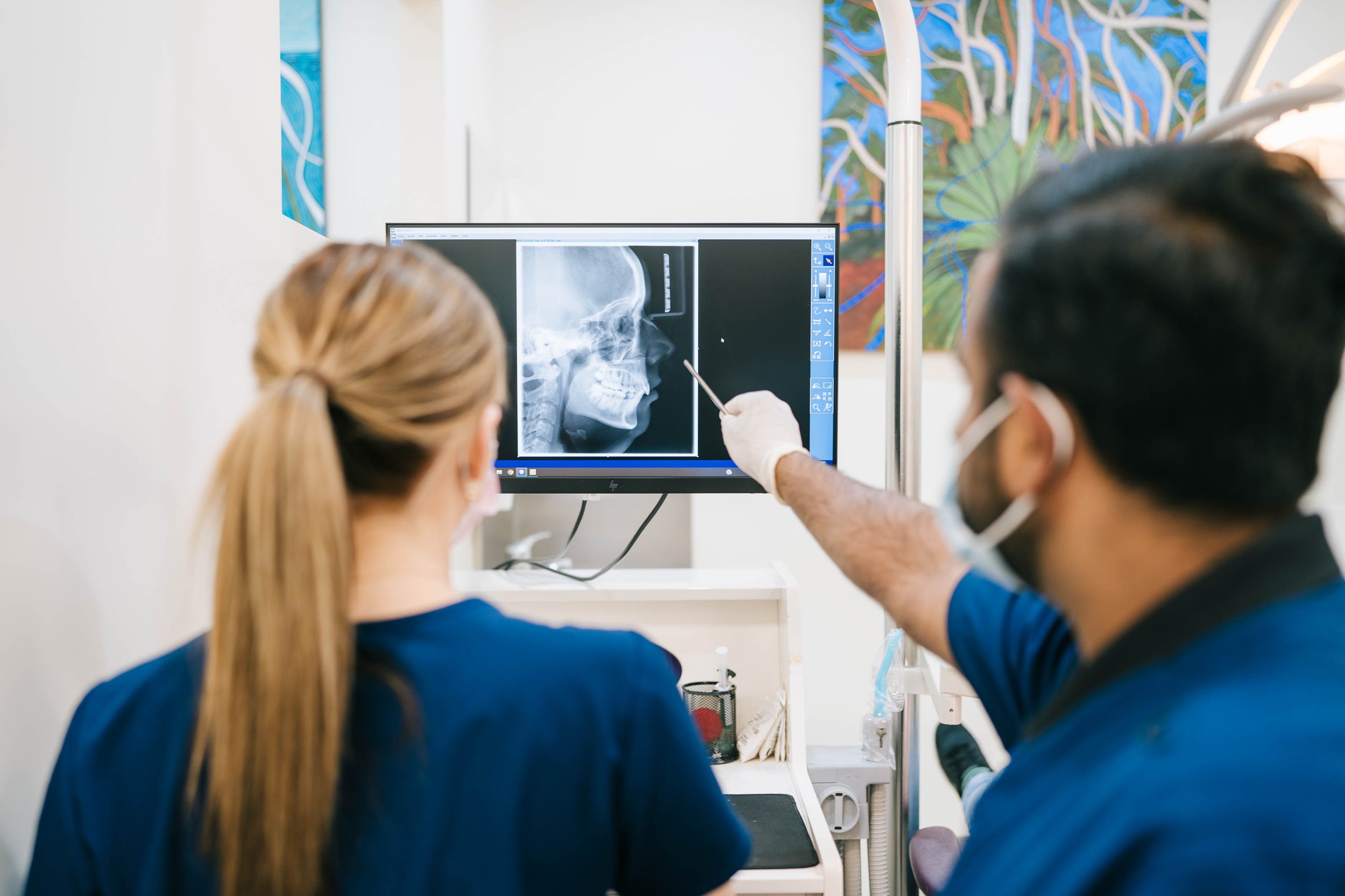
Orthodontic problems don't always wait until all the adult teeth have come through. In many cases, identifying and addressing issues early - while a child is still growing - can make a significant difference to the outcome of their treatment and their long-term dental health.
At Orthodontics Wagga Wagga, we recommend that children have their first orthodontic consultation by the age of 7. This doesn't mean treatment will begin straight away - but it gives us the opportunity to monitor development and intervene at the most beneficial time if needed.
Why Early Assessment Matters
Between the ages of 6 and 10, children have a mix of baby and adult teeth. This is actually an ideal time to assess jaw development, tooth eruption patterns, and bite alignment. Many orthodontic issues are far easier - and less costly - to address during this phase of growth than they are once all adult teeth have erupted.
Early assessment allows us to:
Identify developing problems before they worsen
Guide the growth of the jaw and facial bones
Create space for crowded or impacted teeth
Reduce the likelihood of extractions later in treatment
Shorten or simplify future orthodontic treatment
Address habits such as thumb sucking or mouth breathing that may be affecting dental development
What is Phase 1 Treatment?
If early intervention is recommended, your child may begin what is known as Phase 1 treatment - also called interceptive orthodontic treatment. This may involve:
-
Palatal expanders gently widen the upper jaw to create space for developing teeth and improve bite alignment.
-
In some cases, braces are placed on specific teeth (often the front teeth) to address alignment issues during a key window of development.
-
Custom-made plates can be used to guide jaw growth and correct bite problems.
-
If baby teeth are lost early, a space maintainer can preserve the gap for the incoming adult tooth.
After Phase 1, most children still require a period of monitoring before Phase 2 treatment (full braces or aligners) begins once all adult teeth have erupted. However, Phase 1 treatment can significantly reduce the complexity and duration of Phase 2.

Signs Your Child May Benefit From Early Assessment
Consider booking a consultation if your child:
Has difficulty biting or chewing
Breathes through their mouth regularly
Sucks their thumb or fingers beyond age 5
Has lost baby teeth very early or very late
Has crowded, misplaced, or blocked teeth
Has teeth that don't come together properly
Has speech difficulties
You or your dentist have noticed jaw asymmetry or facial imbalance

You Don't Need a Referral
You're welcome to book a consultation for your child directly - no referral from a dentist is required. Our orthodontists will carry out a thorough assessment and only recommend treatment if and when it is genuinely needed.